Cancer is one of the biggest threats to men’s health. Consultant oncologist Professor Robert Thomas reveals the warning signs to know and lifestyle changes that could help stack the odds in your favour.
More than 68,000 UK men are diagnosed with prostate cancer every year – one every eight minutes – while around 600,000 are now living with the disease, 100,000 more than in 2020, according to Macmillan Cancer Support. But cancer isn’t simply a roll of the biological dice. Professor Robert Thomas, Consultant Oncologist at Bedford and Addenbrooke’s Cambridge University Hospitals, explains how everyday lifestyle choices can influence risk – and the warning signs men shouldn’t ignore.
Know your cancer red flags.
Men have a reputation for delaying a trip to the doctor, but unexplained changes shouldn’t simply be dismissed as ageing. “The red flags include an abnormal lump anywhere in the body, persistent unexplained cough or breathlessness, blood in sputum, abnormal bleeding from anywhere including urine and stool, and a persistent hoarse voice,” says Professor Thomas.
He also highlights “unexplained pain, change in bowel habit or weight loss”, significant changes in urination and symptoms of anaemia such as unusual fatigue or breathlessness as reasons to seek medical advice. A mole that is growing, ulcerating or changing colour should also be investigated. None of these symptoms automatically means cancer. But if something is new, unexplained or persistent, don’t try to diagnose it yourself – get it checked.
Prostate cancer: understand your personal risk.
Prostate cancer is the most commonly diagnosed cancer in UK men, yet screening remains confusing. Unlike bowel cancer, there is no national screening programme, while the PSA – prostate-specific antigen – blood test has limitations.
A raised PSA doesn’t necessarily mean cancer, which means testing can lead to further investigations in men who don’t have the disease. But Professor Thomas believes men at increased risk should be particularly proactive. “Ask for a PSA blood test if you have a family history and/or are of Black origin,” he advises, while pointing to MRI screening and the increasing use of AI to interpret scans as potentially important developments for the future.
Bowel cancer: don’t ignore the envelope.
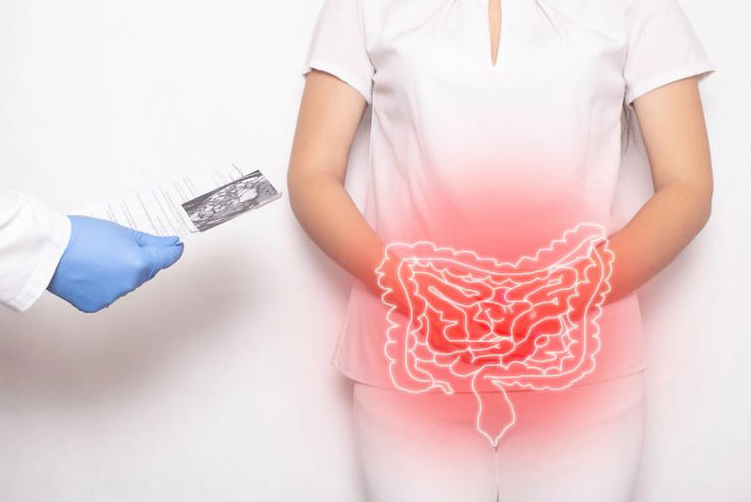
One of the easiest cancer-detection opportunities is also one that can end up sitting untouched in a bathroom or kitchen drawer: the NHS bowel cancer screening kit. The FIT – faecal immunochemical test – checks a stool sample for microscopic traces of blood. “If positive, it’s followed by a colonoscopy,” explains Professor Thomas.
Crucially, screening is intended for people without symptoms, so feeling perfectly healthy isn’t a reason to skip it. Between screenings, pay attention to persistent changes in bowel habits, blood in your stool, unexplained abdominal pain or weight loss. There are plenty of non-cancerous explanations, but persistent changes deserve medical investigation.
Testicular cancer: know what’s normal for you.
Testicular cancer is much less common than prostate or bowel cancer, but tends to affect younger men. The useful habit isn’t obsessively checking yourself for cancer but becoming familiar with what your testicles normally look and feel like.
Professor Thomas recommends regular self-examination. Testicles should generally “feel smooth with no lumps or craggy areas”. If you discover a new lump, swelling, enlargement or persistent change in texture, make an appointment with your doctor. Most changes won’t turn out to be cancer, but they still need checking.
Skin cancer: never shrug off a changing mole.
Your cancer radar shouldn’t stop at what’s happening inside your body. Changes to your skin can provide one of the most visible warning signs. Professor Thomas lists “a skin mole which is growing, ulcerating or changing colour” among the red flags men shouldn’t ignore.
Reducing risk doesn’t mean avoiding the great outdoors. The bigger priorities are avoiding excessive exposure and, particularly, getting burnt. Professor Thomas recommends staying out of strong midday sun, avoiding prolonged or regular use of artificial sunbeds and protecting vulnerable areas such as the face, chest, shoulders and hands with appropriate clothing. If a mole changes noticeably or a skin lesion isn’t healing, get it assessed.
Pancreatic cancer: pay attention to lifestyle.
Pancreatic cancer presents a particular challenge because it can be difficult to detect early. Professor Thomas highlights smoking and dietary factors including processed meat as potentially modifiable areas to address.
The wider lesson applies well beyond pancreatic cancer: reducing cancer risk isn’t about finding one miracle food or supplement. It’s about improving the overall pattern of your lifestyle. And some changes carry benefits across numerous cancers.
Professor Thomas recommends eating a diverse range of colourful plant foods, including fruit, vegetables, whole grains, legumes, nuts and seeds.
“These contain fibre and anticancer nutrients called phytochemicals,” he says, “which also support the growth of beneficial gut bacteria.” He also recommends incorporating more plant proteins such as beans, legumes and seeds, alongside fibre-rich foods including onions, garlic, leeks, oats, bananas and apples.
Just as important is what you reduce. Smoking should be the first target, while Professor Thomas also advises cutting down on processed meats and ultra-processed snacks and moderating alcohol consumption. Think less about individual “superfoods” and more about the quality of your diet as a whole.
Exercise is part of your defence.
You already know that exercise can build muscle, improve cardiovascular fitness and help control body weight. But staying physically active may also contribute to reducing cancer risk.
“Physical activity has direct anticancer and anti-inflammatory properties,” says Professor Thomas, who recommends aiming for “at least two to three hours a week if possible.” He also points towards exercise’s potential to improve the diversity of the gut microbiome.
Maintaining a healthy body weight matters too, while Professor Thomas recommends aiming for seven to eight hours of quality sleep. None of these habits guarantees you won’t develop cancer. Together, however, they form part of a lifestyle that can shift risk in the right direction while benefiting almost every other aspect of your health.
The cancer rule every man should follow.
Perhaps the biggest mistake a fit man can make is assuming cancer is something that happens to somebody else. Training regularly, eating well and keeping your weight under control are all worthwhile, but they don’t make you invincible. Genetics, age and other factors outside your control remain important.
So think of cancer prevention as a two-pronged attack. First, work on what you can influence: don’t smoke, keep alcohol under control, stay active, maintain a healthy weight, eat plenty of plant foods and fibre, limit processed meat and protect yourself against excessive UV exposure.
Second, know your body. Take up bowel cancer screening when you’re invited. Understand your prostate cancer risk. Know how your testicles normally feel. Keep an eye on your skin. And pay attention to unexplained bleeding, lumps, persistent pain, weight loss or changes in how your body functions.
Because the most important cancer habit isn’t complicated: reduce the risks you can – and never ignore a change that your body is telling you about.
Story by Rob Kemp for Men’s Fitness
Men have a reputation for delaying trips to the doctor!