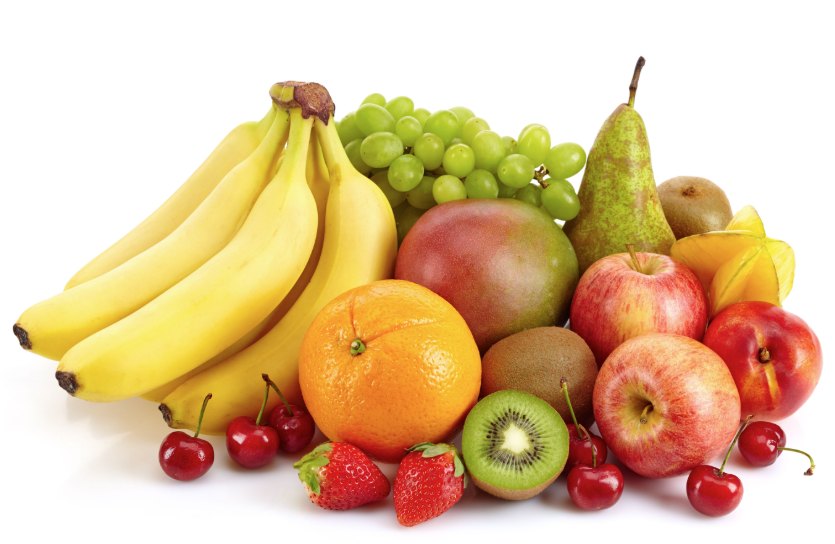
All fruit has benefits, but which ones are best for you? Our ranking reveals whether bananas beat berries and the surprising fruits you don’t need to bother with. The saying claims that an apple a day keeps the doctor away, but is it really the best thing you can put in your fruit bowl? While all fruit will contribute towards your NHS-recommended five a day, some types are better than others for your health.
“All fruits offer valuable nutrition, including fibre, water, antioxidants, and vitamins,” says nutritionist Amy Savage. “While some are more nutrient-dense than others, and the vitamin and fibre content can vary between different fruits, every fruit brings something beneficial to the diet.”
Why fruit matters more as we age
Fruit is a healthy addition to any diet, but it really comes into its own as we get older. Packed with fibre, vitamins and protective antioxidants, it helps to steady blood pressure, keep digestion regular, support bones, sharpen memory and even lift mood.
Research backs this up: eating flavonoid-rich fruits such as berries or apples has been linked to a lower risk of frailty, while one review found that older adults who ate more fruit and veg had better memory and attention over time.
So how much do we actually need? “Guidelines recommend five portions of fruit and vegetables daily,” says Savage. “Within that, I suggest aiming for two to three servings of fruit per day.”
The healthiest fruits, ranked
Every fruit has its merits, but some deliver a bigger nutritional boost than others.
1. Berries: best for supporting your immune system and brain
Blueberries, raspberries, blackberries and strawberries may be small, but they all pack a serious nutritional punch. Bursting with antioxidants, especially flavonoids, they help protect your cells from damage. “Rich in antioxidants, raspberries and blackberries also provide excellent fibre for digestive health,” says Savage.
What’s more, studies also show that berries can actually improve blood flow to the brain, enhancing memory, attention and overall cognitive performance in both younger and older adults.
While berries aren’t always the cheapest option, Savage recommends frozen as an affordable (and just as healthy) alternative: “Frozen berries are usually cheaper than fresh, last longer, and are packed with antioxidants. Raspberries, in particular, stand out with 4g of fibre per half cup.”
Ways to eat: Toss a handful onto porridge, stir through yoghurt or keep a bag of frozen berries in the freezer to add to smoothies. Surprisingly, some frozen foods might be healthier than fresh.
2. Apples and pears: great to keep your gut happy and heart healthy
Apples and pears prove that everyday staples can still be nutritional stars. “Both are high in fibre, which supports heart health by lowering cholesterol and improving digestion,” says Savage.
In fact, a small trial found that people who ate two raw apples a day for eight weeks saw reductions in cholesterol, with the peel still on, providing the greatest benefit.
They’re also a smart choice if you’re managing blood sugar. Both fruits have a low glycaemic index, and research shows that eating apples and pears regularly is linked with an 18% lower risk of developing Type 2 diabetes.
Ways to eat: Add slices to a salad for crunch or follow Savage’s favourite tip: pair apple or pear wedges with a spoonful of nut butter for a filling, fibre-rich snack.
3. Oranges: good for glowing skin and your immune system
Zesty, juicy and easy to find all year round, oranges are one of the simplest ways to get a big hit of vitamin C. “Oranges deliver 90-100% of your daily vitamin C and they’re often very reasonably priced,” says Savage. That means just one a day can help support your body’s defences, aid collagen production for healthy skin, and even improve how well your body absorbs iron from plant-based foods.
Ways to eat: Peel and eat as a snack, squeeze into a small glass for juice at breakfast (150ml counts as one of your five-a-day) or segment into a salad with fennel or beetroot for a refreshing twist.
Juice vs whole fruit
A glass of orange juice can be refreshing, but it’s not quite the same as eating the fruit. When oranges are juiced, the fibre is lost and the natural sugars are released, so they hit your bloodstream faster. That means less help for digestion and more chance of a sugar spike.
The NHS says to limit fruit juice or smoothies to 150ml a day, about a small glass. And it only ever counts as one of your five-a-day, no matter how much you drink.
The bottom line? Enjoy the odd glass, but for everyday health, stick with the whole orange.
4. Kiwis: best for digestion and sleep
Tangy, bright and a little bit furry on the outside, kiwi fruit is a real nutritional overachiever. A medium fruit (around 69g) provides about 64mg of vitamin C – that’s roughly 70-85% of your daily needs – and it’s also a good source of vitamin K, vitamin E, folate, potassium and copper.
“Kiwi fruit is high in vitamin C, with research supporting its role in improving sleep and reducing constipation,” says Savage.
The science backs this up: a landmark 2023 trial found that eating two green kiwi fruits a day for four weeks significantly eased constipation, while a separate study in Taiwan showed that the same amount eaten an hour before bedtime helped adults who had sleep problems drift off 42% faster, added about an extra hour of rest and improved overall sleep quality.
It’s also worth eating the skin, fuzz and all. That’s where you’ll find extra fibre, vitamin E and antioxidants, giving you up to 50% more fibre than the flesh alone, along with bonus nutrients that support digestion and immunity.
Ways to eat: Slice over breakfast cereal, scoop with a spoon straight from the skin or add to a fruit salad for a refreshing zing.
Fruit and your mood
It’s not just your body that benefits from fruit, your mind does too. Research shows that people who ate more fruit and veg felt calmer, happier, and more energetic, with the lift lasting into the next day.
5. Cherries: packed with natural melatonin to support sleep
Sweet, juicy and jewel-bright, cherries are one of the few fruits that naturally contain melatonin, the hormone that helps regulate your sleep-wake cycle. That makes them a natural ally if you’re prone to restless nights.
A study in the European Journal of Nutrition even found that drinking tart cherry juice twice a day improved both sleep quality and duration in adults with insomnia. And unlike with oranges, this is one case where juice isn’t a bad choice, as it retains its melatonin content and has been shown to deliver real benefits, so long as you pick varieties without added sugar.
Ways to eat: Snack on fresh cherries when they’re in season, stir a handful into yogurt or look for unsweetened frozen or dried cherries to add to porridge or smoothies year-round.
6. Peaches: good for hydration, skin health and digestion
Soft and juicy, peaches are one of summer’s sweetest pleasures, but they’re more than just a treat. They’re a good source of vitamin C (to support skin and immunity), potassium (for healthy blood pressure) and fibre (to keep digestion regular). Their high water content also makes them naturally hydrating, especially on warmer days.
And here’s the good news: peaches are one of the best tinned fruits you can buy. Opt for peaches canned in juice rather than syrup and you’ll still get many of the same nutrients, plus the convenience of keeping them in the cupboard year-round.
Ways to eat: Slice fresh peaches into yoghurt or cereal, grill halves for a caramelised dessert or stir chopped tinned peaches into overnight oats for an easy breakfast.
7. Grapes: heart health and hydration heroes
Sweet and juicy, grapes are one of the simplest ways to get more antioxidants into your diet. They’re especially rich in polyphenols such as resveratrol, which research links with better heart health and reduced inflammation. Their high water content also makes them naturally hydrating.
The downside? Grapes are low in fibre and relatively high in natural sugars, so it’s easy to eat more than you realise, which can cause a quicker rise in blood sugar than fibre-rich fruits like apples or pears.
Ways to eat: Enjoy a small bunch as a sweet snack, slice into salads for a burst of freshness or freeze them for a cooling, bite-sized treat in summer – they’re also great popped into a glass of wine!
The colour purple. When it comes to grapes, the deeper the colour, the stronger the antioxidant punch. Purple grapes are packed with compounds like anthocyanins and resveratrol, more than 1,600 healthful plant chemicals in total. Research shows they can:
Support healthy blood vessels and lower blood pressure.
- Improve cholesterol balance.
- Sharpen memory and cognitive performance.
- Nurture a healthier gut microbiome.
- Help protect against age-related decline.
8. Bananas: supporting muscle function and healthy blood pressure
Bananas are the ultimate grab-and-go fruit: portable, filling, and naturally sweet. “They are affordable and provide fibre and potassium,” says Savage. That potassium is key for keeping blood pressure steady and muscles working well, which is why bananas are also one of the best snacks before or after exercise, helping to replace electrolytes lost through sweat.
It’s true that bananas are higher in natural sugars than some fruits, which means they can give you a quick energy boost. To keep blood sugar steady, pair them with a little protein or healthy fat. Try slicing one over yogurt or spreading peanut butter on banana rounds for a snack that’s both satisfying and balanced.
Ways to eat: Keep one in your bag for an easy snack, blend into a smoothie or mash onto wholegrain toast with a sprinkle of cinnamon.
Fruits that may not be worth the fuss
These fruits still offer health benefits, but not as many as some of our top five-a-day choices.
Pineapple
Best for: Bursts of vitamin C and digestive support, but high in sugar and acidic.
Sweet, tangy and instantly evocative of summer holidays, a pineapple brings more than just tropical vibes. It’s a decent source of vitamin C and contains bromelain, an enzyme that may aid digestion and help calm inflammation. That said, compared with fibre-packed fruits like apples or berries, pineapple isn’t quite as nutrient-dense and it is naturally high in sugars. Pineapples are also acidic which could cause dental issues if eaten too regularly.
So best enjoyed as an occasional treat rather than an everyday staple.
Ways to eat: Add fresh chunks to a fruit salad, grill slices on the barbecue to serve with chicken or fish or whizz frozen pineapple into a smoothie for a refreshing twist.
Melon
Best for: Hydration, but low in nutrients and fibre
From honeydew to cantaloupe, melons are cooling, juicy fruits that feel made for picnics. Thanks to their high water content, they’re wonderfully hydrating and naturally low in calories. Cantaloupe is also a handy source of vitamin A, which supports eye and skin health, while all melons provide a refreshing way to satisfy a sweet tooth.
Compared with fibre-rich fruits like apples or pears though, melon won’t keep you full for long, and it’s one of the least nutrient-dense options and the lowest in fibre.
Ways to eat: Cube and serve chilled as a simple snack, mix with feta and mint in a summer salad or wrap slices in Parma ham for a classic appetiser.
Do all fruits have health benefits?
It’s worth eating all fruits. You don’t need to chase exotic superfruits to stay healthy. Everyday choices such as apples, bananas, oranges and berries can deliver big wins for your heart, digestion, bones, brain and even your mood. Making fruit part of your daily routine pays off in more ways than one. A European survey of healthcare use found that while fruit and veg won’t necessarily keep you out of hospital altogether, people who ate them daily had shorter stays, fewer readmissions and were more proactive about preventive care, from GP visits to specialist check-ups.
It’s a reminder that fruit doesn’t just support your health directly but encourages healthier habits overall.
Balancing your blood sugar levels
Blood sugar spikes can be a real cause of concern. Here’s how you can reduce and manage them with just a few simple changes.
Written by: Jayne Cherrington-Cook. SAGA Magazine
Jayne cut her online journalism teeth 25 years ago in an era when a dialling tone and slow page load were standard. During this time, she’s written about a variety of subjects and is just at home road-testing TVs as she is interviewing TV stars.