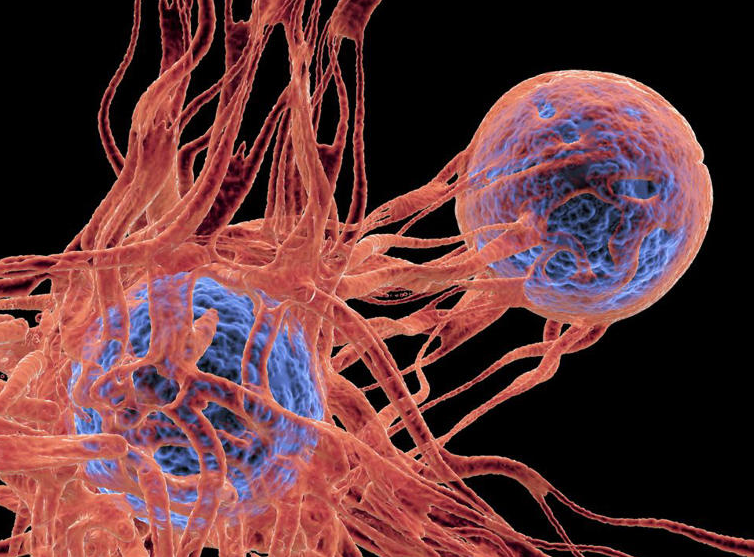
Prostate cancer is the leading cause of cancer among men in the UK, with around 55,000 new cases diagnosed every year. The charity Prostate Cancer UK estimates that around one in eight men will develop the disease in their lifetime. More than 120 MPs have backed calls for the Health Secretary, West Streeting, to roll out a national targeted screening programme for prostate cancer in a bid to catch new cases early. Former prime minister David Cameron has also spoken out in favour of better screening for the disease, after he revealed he had been diagnosed with prostate cancer last year and successfully treated for it. Christopher Ogden is a consultant uro-oncologist at the Harley Street Clinic and the Princess Grace Hospital, both part of HCA Healthcare UK, and was one of the first surgeons in the country to perform robotic surgery for prostate cancer. Here, he explains what he does to protect himself from developing the disease – and what you can do, too.
Eat cooked tomatoes.I eat cooked tomatoes every day, either in my breakfast or dinner. When you cook tomatoes, it liberates the high level of lycopene they contain – you won’t get it from eating raw tomatoes. Lycopene is a powerful antioxidant thought to have a protective quality against prostate cancer. The oxidation of harmful free radicals (unstable molecules that can damage the DNA inside cells) is what causes the genetic breakdown that triggers cancer, and antioxidants neutralise free radicals which prevents them from causing damage. Ketchup also contains high levels of lycopene, but you have to be careful of the sugar content.
Avoid a processed Western diet. In general, I follow a Mediterranean diet, using plenty of olive oil, green vegetables and fish. I also eat Brazil nuts – between five and 10 every day – because they contain selenium which is another antioxidant, and drink green tea, which is also high in antioxidants. But, I ease off the red meat and only have small amounts of dairy, such as butter. They are high in fat and high-fat diets affect the metabolic and immune systems over time, which leads to an increased risk of blocked arteries, cardiovascular disease and dementia. It also means the inflammatory system is less protective against potential genetic changes affecting the prostate, which could contribute to the risk of prostate cancer. Instead, I opt for poultry, fish and eggs. We know that Western diets, which often include processed foods and foods high in added sugars and unhealthy fats, are associated with an increased risk of prostate cancer, as well as diabetes and metabolic syndrome. Studies have shown that African, Middle Eastern and Japanese men who adopt Western diets then develop the same incidence of prostate cancer as Western men, but the risk is much lower on their native diets. So, we assume that Western diets have a role to play.
Socialise to de-stress. I’m aware of how important it is to reduce stress levels, especially as we get older (I’m 65). As we age, our immune system becomes more tired and isn’t as efficient. And having chronic high levels of the stress hormone cortisol also reduces the capability of the immune system – so the combination of ageing and stress is like a double whammy in terms of pressure on the immune system. When the immune system is compromised it gives cancers the opportunity to occur, and we know that prostate cancer is the most common cancer in men, so that’s going to be a factor. To de-stress I go to the pub, not to drink a lot, but to be with other people. I meet friends and family to chew the fat together – I find that’s a great de-stressor. Being able to share problems helps our stress levels enormously. My wife and I also try go out most nights, either to the theatre, ballet, opera, or just socialising. If we live like rats, working, sleeping and checking our laptops in a loop, that’s horrendous for the immune system and levels of stress and anxiety. I see a lot of very fit men with prostate cancer who eat well, don’t smoke or drink and say, “Why me?” Often, they don’t socialise and have high levels of stress all the time, which isn’t healthy.
Stay active in the bedroom. There are theories that ejaculating regularly can keep the prostate healthy, although there isn’t solid evidence behind this. It isn’t clear if this is due to the fact that this helps us to de-stress, or whether it’s the act of ejaculating that is helpful, but I think it’s likely to be beneficial to be active in the bedroom, so I engage in this activity a few times a week. Ejaculating takes the sperm from the testes to the seminal vesicle (small tubular glands) at the back of the prostate, where it’s mixed with seminal fluid (this fluid is rich in sugars and feeds sperm, and it’s sticky, which helps semen to stay in the vagina long enough for a sperm to fertilise an egg). The whole reproductive system is designed to do this, so the theory is that it isn’t good for the system to go to sleep and for the sperm to just sit in the testes – it’s a bit of a “use it or lose it” situation.
Work up a sweat. We know that aerobic exercise – anything that gets you sweaty, your heart rate up or out of breath for 20 minutes a day – is very protective against prostate cancer, and it has also been shown to slow down the rate of progression in men with metastatic or advanced disease. With that in mind, I walk the dog briskly four or five days a week, I play tennis three times a week and go to the gym twice a week. Regular exercise also helps us to maintain muscle mass, which decreases as we age.
Take vitamin D supplements. High levels of vitamin D are thought to be protective for prostate cancer and cancer in general – we know that the hottest parts of the world have the lowest incidence of prostate cancer, so vitamin D and sunlight may play a part. But we struggle to get enough vitamin D in the UK during the winter months
Prioritise sleep. Sleep also helps us to de-stress and massively improves the immune system – it’s not only protective against cancers, but also against cardiovascular disease, heart attack, stroke and dementia. I make sure I always get at least eight hours of sleep for this reason. I go to bed between 9pm and 10pm and I’m up at 7am or 8am. Even if I’m out in the evening, I’ll still try to be home and in bed by 10:30pm.
Get tested regularly. I make sure I have annual PSA (prostate specific antigen) tests, which can help to diagnose prostate problems including prostate cancer. The earlier you catch prostate cancer, the less harsh the treatment. Screening is particularly important if you come from high-risk family, and some ethnicities also have a higher risk of developing prostate cancer, such as the Afro-Caribbean population. Prostate cancer can be genetic, and there is a strong risk of prostate, breast and ovarian cancers linked to the BRCA2 gene defect. So if those cancers run in your family, it’s worth getting screened for the gene mutation, and if you have it, take measures such as adjusting your diet to protect yourself.
Story by Cara Lee. Reproduced from MSN. Source The I Paper.
Prostate cancer is the leading cause of cancer among men in the UK, with around 55,000 new cases diagnosed every year and it is estimated that around one in eight men will develop the disease in their lifetime.